
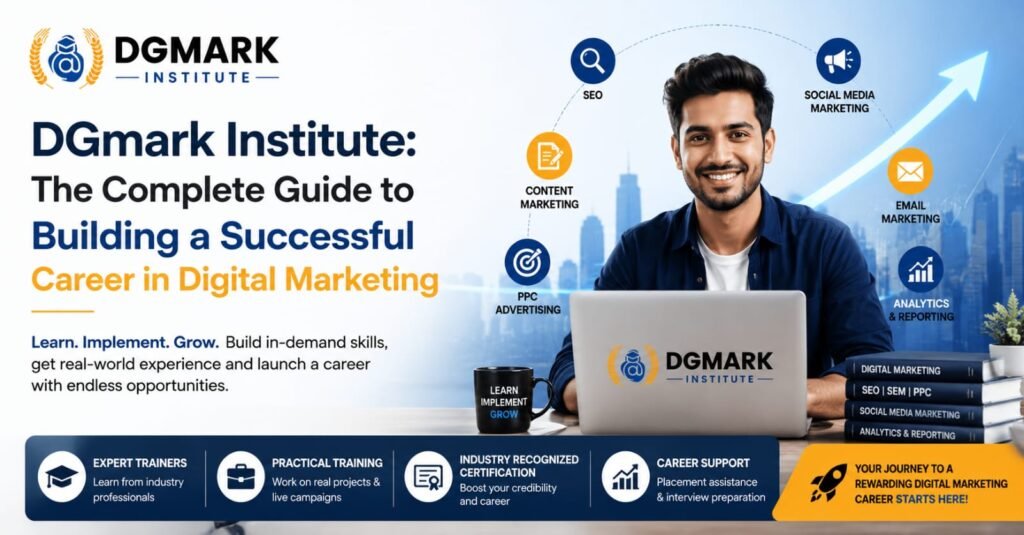
Introduction
The rapid growth of the digital landscape has fundamentally changed how businesses reach, engage, and build relationships with their customers. From search engines and social media to email marketing and paid advertising, digital channels have become powerful tools for driving brand visibility and business growth. As companies increasingly shift their focus online, the demand for skilled and knowledgeable digital marketers continues to grow, creating exciting career opportunities in the industry.The digital revolution has transformed the way businesses connect with customers. From social media platforms and search engines to email campaigns and online advertisements, digital channels have become essential for business growth.
Today, organizations of all sizes are actively searching for professionals who can help them improve their online presence, generate leads, and increase revenue. This growing demand has made digital marketing one of the most promising career options for students, fresh graduates, job seekers, entrepreneurs, and working professionals.
Unlike many traditional career paths, digital marketing offers flexibility, creativity, continuous learning opportunities, and multiple income streams. Whether you want to secure a high-paying job, work as a freelancer, build your personal brand, or start your own agency, digital marketing provides countless possibilities.
However, building a successful career requires the right guidance, practical skills, and industry exposure. This is where DGmark Institute plays an important role. Known for its practical learning approach and industry-focused training programs, DGmark Institute helps aspiring marketers gain the knowledge and experience needed to succeed in today’s competitive digital landscape.
In this comprehensive guide, we will explore everything you need to know about building a successful digital marketing career, including the skills you need, career opportunities available, and the steps required to become an industry-ready professional.
What is Digital Marketing?
Digital marketing refers to the promotion of products, services, or brands using digital channels such as search engines, social media platforms, websites, email, and mobile applications.
In simple terms, it is the process of reaching potential customers online and encouraging them to take specific actions, such as making a purchase, filling out a form, subscribing to a newsletter, or engaging with content.
Digital marketing includes several specialized areas, including:
- Search Engine Optimization (SEO)
- Social Media Marketing (SMM)
- Content Marketing
- Email Marketing
- Performance Marketing
- Google Ads
- Meta Ads
- Influencer Marketing
- Affiliate Marketing
- Marketing Analytics
Why is Digital Marketing Important?
Modern consumers spend a significant amount of time online. Before making a purchase, they often search for information, read reviews, compare options, and interact with brands through digital platforms.
Because of this shift in consumer behavior, businesses must establish a strong online presence to remain competitive.
Digital marketing helps businesses:
- Reach a larger audience
- Generate qualified leads
- Improve brand visibility
- Increase customer engagement
- Measure marketing performance accurately
- Achieve better return on investment (ROI)
For professionals, this creates a wealth of career opportunities across industries such as e-commerce, healthcare, education, finance, technology, real estate, and entertainment.
Current Industry Demand
The digital economy continues to grow rapidly, creating an increasing need for digital marketing professionals. Companies are investing heavily in online advertising, content creation, social media management, and search engine optimization to attract and retain customers.
As businesses expand their digital efforts, the demand for trained professionals with practical digital marketing skills continues to rise. This trend is expected to continue well into the future, making digital marketing one of the most stable and rewarding career choices available today.
Why Digital Marketing is One of the Best Career Choices in 2026
The world is becoming increasingly digital, and businesses are adapting quickly. As a result, digital marketing has evolved from a supporting business function into a core business requirement.
Let’s explore why a career in digital marketing is expected to be one of the best career choices in 2026.
1. Rapid Industry Growth
The digital marketing industry has experienced remarkable growth over the past decade. Businesses are allocating larger portions of their marketing budgets to digital channels because they offer measurable and cost-effective results.
As more companies shift their focus online, the need for digital marketing professionals will continue to increase.
This creates a strong job market with long-term career stability.
2. Diverse Job Opportunities
One of the biggest advantages of digital marketing is the variety of career options available.
Professionals can specialize in areas such as:
- SEO
- Social Media Marketing
- Content Marketing
- Paid Advertising
- Performance Marketing
- Email Marketing
- Marketing Automation
- Analytics
This diversity allows individuals to choose a path that aligns with their interests and strengths.
3. Attractive Salary Potential
Digital marketing professionals often enjoy competitive salaries, especially as they gain experience and expertise.
Professionals with specialized skills in SEO, performance marketing, analytics, and conversion optimization are particularly valuable to employers.
As your skills and results improve, your earning potential increases significantly.
4. Freelancing Opportunities
Digital marketing is one of the most freelancer-friendly professions available today.
Businesses around the world hire freelance professionals to manage:
- SEO campaigns
- Social media accounts
- Paid advertising
- Content creation
- Email marketing
This allows marketers to work remotely, choose their clients, and build multiple income streams.
5. Entrepreneurship Advantages
If you dream of starting your own business, digital marketing provides a powerful advantage.
Understanding how to generate traffic, attract customers, and build brand awareness can significantly improve your chances of business success.
Many successful entrepreneurs use digital marketing skills to grow startups, personal brands, consulting businesses, and agencies.
6. Global Career Opportunities
Digital marketing skills are highly transferable and relevant across international markets.
A skilled marketer can work with companies, clients, and brands from different countries without being restricted by geographical boundaries.
This opens doors to remote jobs, international projects, and global networking opportunities.
7. Continuous Learning and Growth
Digital marketing is a dynamic field that constantly evolves with new technologies, platforms, and consumer behaviors.
Professionals who enjoy learning and adapting often find digital marketing both exciting and rewarding.
Emerging technologies such as artificial intelligence, automation, voice search, and data analytics are creating new opportunities for growth and specialization.
As a result, digital marketers who stay updated can remain highly valuable throughout their careers.
A successful digital marketing career requires more than just enthusiasm. You need practical skills that help businesses achieve measurable results. In the next section, we’ll explore the essential digital marketing skills every aspiring professional should master and the career opportunities those skills can unlock.
Essential Skills Required for a Successful Digital Marketing Career
Digital marketing is a skill-driven profession. While certifications and degrees can help you get noticed, employers and clients ultimately care about your ability to deliver results.
To build a successful and long-lasting career, you should focus on mastering the following digital marketing skills.
1. Search Engine Optimization (SEO)
SEO is the process of improving a website’s visibility on search engines like Google. When a website ranks higher in search results, it receives more organic traffic, leads, and sales.
Key SEO skills include:
- Keyword Research
- On-Page SEO
- Technical SEO
- Link Building
- Local SEO
- SEO Audits
- SEO Analytics
SEO remains one of the most valuable skills because businesses continuously seek sustainable ways to generate traffic without relying solely on paid advertising.
For aspiring marketers, learning SEO provides a strong foundation for understanding how online visibility works.
2. Social Media Marketing
Social media platforms have become powerful marketing channels for businesses of all sizes.
A social media marketer is responsible for:
- Creating content strategies
- Managing social media accounts
- Building online communities
- Running advertising campaigns
- Increasing engagement and reach
Popular platforms include:
- X (Twitter)
- YouTube
Brands actively look for professionals who can create engaging content and build meaningful relationships with audiences.
3. Content Marketing
Content is often called the backbone of digital marketing.
Businesses use content to educate, engage, and convert potential customers.
Content marketing involves creating:
- Blog posts
- Articles
- Landing pages
- Videos
- Infographics
- Case studies
- E-books
Strong content marketing skills help marketers improve SEO performance, generate leads, and establish brand authority.
4. Google Ads
Google Ads is one of the most effective platforms for generating immediate traffic and leads.
Professionals who manage Google Ads campaigns need to understand:
- Search Campaigns
- Display Campaigns
- Video Campaigns
- Keyword Targeting
- Bidding Strategies
- Conversion Tracking
Companies often invest significant budgets into paid advertising, making Google Ads specialists highly sought after.
5. Meta Ads
Meta Ads, powered by platforms such as Facebook and Instagram, provide businesses with powerful tools to reach highly targeted audiences and achieve their marketing goals.
Key Meta Ads skills include:
- Audience Research & Targeting
- Campaign Planning & Setup
- Retargeting and Remarketing
- Ad Creative Testing & Optimization
- Budget Allocation & Management
- Campaign Performance Tracking
With the right strategy, Meta Ads can help businesses expand their reach, build brand awareness, generate qualified leads, increase website traffic, and drive conversions and sales.
6. Email Marketing
Despite the rise of social media, email marketing continues to deliver excellent results.
Email marketers focus on:
- Building subscriber lists
- Creating email campaigns
- Automating customer journeys
- Improving open rates
- Increasing conversions
Businesses use email marketing to nurture relationships and retain customers over the long term.
7. Analytics and Data Interpretation
Successful marketers make decisions based on data, not assumptions.
Tools such as:
- Google Analytics
- Google Search Console
- Meta Business Suite
- Looker Studio
help marketers understand user behavior and campaign performance.
The ability to analyze data allows professionals to identify opportunities, improve strategies, and achieve better results.
8. AI and Marketing Automation Tools
Artificial Intelligence is transforming digital marketing.
Modern marketers use AI-powered tools for:
- Content creation
- Keyword research
- Market analysis
- Automation
- Customer support
- Campaign optimization
Understanding how to use AI effectively can significantly improve productivity and performance.
Why Practical Skills Matter More Than Theory
Many beginners spend months consuming tutorials without applying what they learn.
The most successful marketers gain practical experience by:
- Working on live projects
- Managing real campaigns
- Building personal websites
- Running social media pages
- Creating content consistently
This practical exposure helps develop problem-solving abilities and industry confidence.
Institutes that emphasize hands-on learning often help students become job-ready much faster.
Career Opportunities in Digital Marketing
One of the biggest reasons people choose digital marketing is the wide range of career opportunities available.
Whether you prefer creativity, analytics, strategy, or communication, there is a role that matches your interests.
Let’s explore some of the most popular career paths.
1. SEO Specialist
SEO Specialists help websites improve their rankings on search engines.
Their responsibilities include:
- Conducting keyword research
- Optimizing website content
- Improving technical SEO
- Building backlinks
- Monitoring rankings
SEO professionals play a crucial role in driving organic traffic and increasing online visibility.
Who Should Choose This Role?
People who enjoy research, analytics, and long-term strategy often excel in SEO careers.
2. Social Media Manager
Social Media Managers handle a brand’s online presence across various social platforms.
Their responsibilities include:
- Content planning
- Community management
- Campaign execution
- Performance tracking
- Influencer collaborations
This role combines creativity with strategic thinking.
Who Should Choose This Role?
Individuals who enjoy content creation, communication, and trend analysis often thrive in social media marketing.
3. Performance Marketer
Performance Marketers focus on measurable outcomes such as leads, sales, and conversions.
They manage:
- Google Ads
- Meta Ads
- Retargeting Campaigns
- Conversion Optimization
- Marketing Funnels
Because their work directly impacts business revenue, performance marketers are highly valued across industries.
Who Should Choose This Role?
Professionals who enjoy data analysis, testing, and optimization usually find performance marketing rewarding.
4. Content Strategist
Content Strategists develop plans that help brands attract and engage their target audiences.
Their work includes:
- Content Planning
- Keyword Strategy
- Editorial Calendars
- Audience Research
- Content Performance Analysis
Content strategists help businesses build authority and trust through valuable content.
Who Should Choose This Role?
Writers, storytellers, and creative thinkers often succeed in content marketing roles.
5. Digital Marketing Executive
This is often the starting position for many aspiring marketers.
Digital Marketing Executives typically assist with:
- SEO activities
- Social media management
- Paid campaigns
- Content publishing
- Analytics reporting
This role provides broad exposure to multiple digital marketing channels.
Who Should Choose This Role?
Freshers and career switchers looking to gain practical industry experience.
6. Freelancer
Freelancing allows marketers to work independently and serve multiple clients.
Services commonly offered include:
- SEO
- Social Media Management
- Paid Advertising
- Content Marketing
- Website Optimization
Freelancing offers flexibility, remote work opportunities, and unlimited earning potential.
7. Digital Marketing Consultant
Consultants help businesses develop and improve marketing strategies.
Their responsibilities often include:
- Marketing Audits
- Growth Planning
- Campaign Reviews
- Team Training
- Strategic Recommendations
Experienced professionals often transition into consulting roles after gaining industry expertise.
8. Agency Owner
Many digital marketers eventually launch their own agencies.
Agency owners provide services such as:
- SEO
- Social Media Marketing
- Paid Advertising
- Branding
- Website Development
This path combines marketing expertise with entrepreneurship and business management.
Which Career Path Should You Choose?
The best career path depends on your strengths and interests:
- Analytical mindset → SEO or Performance Marketing
- Creative mindset → Content Marketing or Social Media
- Business-focused mindset → Consulting or Agency Ownership
- Flexible lifestyle → Freelancing
- Beginner → Digital Marketing Executive
The good news is that digital marketing allows you to explore multiple specializations before choosing your preferred direction.
In the next section, we’ll discuss a step-by-step roadmap to becoming a successful digital marketer and how DGmark Institute can help accelerate your journey through practical training and industry-focused learning.
Step-by-Step Roadmap to Become a Digital Marketer
Building a successful career in digital marketing doesn’t happen overnight. The industry rewards individuals who continuously learn, practice, and adapt to changing trends. The good news is that you don’t need a specific degree or technical background to get started.
By following a structured roadmap, you can develop the skills and confidence required to succeed in this dynamic field.
Step 1: Learn the Fundamentals of Digital Marketing
Every successful marketer starts with a strong foundation.
Before specializing in any area, it’s important to understand how digital marketing works as a whole.
Focus on learning:
- SEO Fundamentals
- Social Media Marketing
- Content Marketing
- Email Marketing
- Google Ads
- Meta Ads
- Marketing Funnels
- Lead Generation
Understanding how these channels work together will help you create effective marketing strategies in the future.
Step 2: Gain Practical Skills Through Hands-On Learning
Theory alone won’t make you job-ready.
Employers and clients want professionals who can apply their knowledge to real-world situations.
Some effective ways to gain practical experience include:
- Creating your own website
- Starting a blog
- Managing social media pages
- Running small advertising campaigns
- Performing SEO audits
- Writing content optimized for search engines
The more practical exposure you gain, the faster you’ll develop confidence and problem-solving abilities.
Step 3: Work on Real Projects
Real projects provide invaluable learning opportunities.
They help you understand:
- Client expectations
- Campaign execution
- Budget management
- Performance measurement
- Strategy optimization
Even if you’re a beginner, you can start by helping local businesses, friends, family members, or personal projects.
Every successful campaign becomes proof of your capabilities.
Step 4: Build a Strong Portfolio
Your portfolio often matters more than your resume.
A strong portfolio demonstrates your ability to achieve results.
Include:
- SEO Case Studies
- Social Media Campaigns
- Blog Content Samples
- Advertising Campaign Results
- Website Projects
- Analytics Reports
A well-structured portfolio can significantly improve your chances of securing interviews and freelance projects.
Step 5: Earn Industry Certifications
Certifications validate your knowledge and show your commitment to learning.
Popular certifications include:
- Google Ads Certification
- Google Analytics Certification
- Meta Blueprint Certifications
- SEO Certifications
- Digital Marketing Certifications
While certifications alone won’t guarantee success, they can strengthen your credibility.
Step 6: Apply for Jobs and Internships
Once you have foundational knowledge and practical experience, start applying for:
- Internships
- Entry-Level Roles
- Freelance Projects
- Remote Opportunities
Many professionals gain valuable experience through internships before transitioning into full-time positions.
Remember that your first job is primarily about learning and building experience.
Step 7: Continue Learning and Adapting
Digital marketing evolves rapidly.
New technologies, algorithms, and consumer behaviors constantly reshape the industry.
Successful marketers stay updated by:
- Following industry blogs
- Attending webinars
- Joining marketing communities
- Testing new tools
- Learning emerging technologies
Continuous learning is one of the most important factors in long-term career success.
Why Choose DGmark Institute for Digital Marketing Training?
The quality of your training can significantly influence your career growth.
While there are countless online resources available, structured learning from industry professionals often helps students achieve their goals more efficiently.
DGmark Institute has established itself as a trusted destination for individuals looking to build practical digital marketing skills and launch successful careers.
Let’s explore some of the reasons why aspiring marketers choose DGmark Institute.
1. Practical Learning Approach
One of the biggest challenges many students face is the gap between theory and practical implementation.
DGmark Institute focuses on helping learners understand how digital marketing works in real business environments.
Instead of simply memorizing concepts, students gain experience applying strategies and techniques that businesses use every day.
This practical approach helps learners become job-ready faster.
2. Live Project Experience
Employers increasingly seek candidates who have practical exposure to digital marketing campaigns.
Working on live projects allows students to:
- Understand campaign execution
- Analyze performance metrics
- Solve real-world marketing challenges
- Gain confidence in their abilities
Practical project experience often gives students a competitive advantage during interviews and job applications.
3. Industry-Relevant Curriculum
The digital marketing industry changes constantly.
An effective training program should reflect current market demands and emerging trends.
A well-designed curriculum typically includes:
- Search Engine Optimization
- Social Media Marketing
- Content Marketing
- Google Ads
- Meta Ads
- Email Marketing
- Analytics
- Marketing Automation
- AI Tools
Learning these in-demand skills helps students prepare for modern marketing roles.
4. Placement Assistance and Career Guidance
Many aspiring marketers seek training programs that provide career support beyond classroom learning.
Career guidance can help students:
- Create professional resumes
- Prepare for interviews
- Build portfolios
- Understand employer expectations
- Explore career opportunities
Structured placement support can simplify the transition from learning to employment.
5. Expert Trainers and Industry Mentors
Learning from experienced professionals provides insights that are difficult to gain through self-study alone.
Industry experts often share:
- Practical experiences
- Case studies
- Campaign strategies
- Market trends
- Best practices
This knowledge helps students develop a deeper understanding of digital marketing.
6. Certification Benefits
Recognized certifications can enhance a candidate’s profile and demonstrate commitment to professional development.
Certifications help:
- Increase credibility
- Improve employability
- Strengthen resumes
- Showcase expertise
Combined with practical skills, certifications can create a strong professional foundation.
7. Hands-On Assignments and Skill Development
Assignments encourage active learning.
Instead of passively consuming information, students actively practice:
- SEO optimization
- Content creation
- Campaign setup
- Keyword research
- Social media management
- Analytics interpretation
This consistent practice helps transform theoretical knowledge into practical expertise.
How DGmark Institute Supports Different Career Goals
Whether your objective is employment, freelancing, entrepreneurship, or personal branding, digital marketing skills can help you achieve your goals.
Students often pursue digital marketing training to:
- Get their first job
- Switch careers
- Build freelance businesses
- Grow startups
- Improve business visibility
- Become consultants
- Launch agencies
The versatility of digital marketing makes it one of the most valuable skills in today’s economy.
By combining structured learning, practical exposure, and continuous skill development, aspiring marketers can position themselves for long-term success.
However, many beginners unknowingly make mistakes that slow their growth and limit their results. Understanding these mistakes can help you avoid unnecessary setbacks and accelerate your progress.
In the next section, we’ll discuss the most common mistakes beginners should avoid, explore the future of digital marketing careers, and answer some frequently asked questions about building a successful career in this exciting industry.
Common Mistakes Beginners Should Avoid
Starting a career in digital marketing can be exciting, but many beginners make mistakes that slow their growth and limit their opportunities. Being aware of these common pitfalls can help you build a stronger foundation and achieve success faster.
1. Focusing Only on Theory
One of the biggest mistakes beginners make is spending too much time watching tutorials and reading articles without implementing what they learn.
Knowledge becomes valuable only when applied.
Instead of consuming endless content, start:
- Building a website
- Running campaigns
- Creating content
- Practicing SEO
- Managing social media accounts
Practical experience accelerates learning significantly.
2. Ignoring Data and Analytics
Digital marketing is driven by data.
Many beginners focus only on creative activities while ignoring performance metrics.
Successful marketers regularly analyze:
- Website traffic
- Conversion rates
- Click-through rates
- User behavior
- Campaign performance
Data helps identify what’s working and what needs improvement.
3. Trying to Master Everything at Once
Digital marketing includes multiple specializations.
Attempting to learn everything simultaneously often leads to confusion and burnout.
Instead:
- Learn the fundamentals first
- Explore different areas
- Choose a specialization
- Build expertise gradually
A focused approach often produces better results.
4. Neglecting Personal Branding
Many aspiring marketers spend time promoting other brands but forget to build their own online presence.
Personal branding can help you:
- Showcase expertise
- Attract opportunities
- Build credibility
- Grow your professional network
Creating content on LinkedIn, Instagram, or a personal blog can significantly improve your visibility.
5. Avoiding Real Projects
Some learners wait until they feel “fully prepared” before working on projects.
In reality, growth happens through practical experience.
Don’t be afraid to:
- Volunteer for projects
- Help small businesses
- Work on personal brands
- Create case studies
Every project contributes to your learning journey.
6. Not Staying Updated
The digital marketing landscape changes constantly.
Algorithms, platforms, tools, and consumer behaviors evolve rapidly.
Professionals who fail to stay updated risk becoming less competitive.
Make continuous learning a habit.
7. Expecting Instant Results
Digital marketing requires patience.
Whether you’re working on SEO, content marketing, or personal branding, meaningful results often take time.
Successful marketers focus on consistency rather than quick wins.
8. Ignoring Networking Opportunities
Networking can open doors to jobs, partnerships, mentorships, and freelance opportunities.
Connect with:
- Industry professionals
- Recruiters
- Business owners
- Marketing communities
Strong professional relationships often accelerate career growth.
9. Building Skills Without a Portfolio
Employers want proof of your capabilities.
Without a portfolio, it becomes difficult to demonstrate your skills.
Document your work and showcase:
- Campaign results
- SEO projects
- Content samples
- Social media growth
- Analytics reports
A strong portfolio often speaks louder than certifications alone.
10. Giving Up Too Early
Many people quit after facing initial challenges.
Every successful marketer has experienced failed campaigns, algorithm updates, and learning obstacles.
Persistence is often the difference between average and exceptional professionals.
Future of Digital Marketing Careers
The future of digital marketing looks incredibly promising. As businesses continue investing in digital channels, skilled professionals will remain in high demand.
Let’s explore some trends shaping the future of digital marketing careers.
Artificial Intelligence (AI)
AI is transforming how marketers create, analyze, and optimize campaigns.
Modern marketers use AI for:
- Content generation
- Keyword research
- Customer insights
- Predictive analytics
- Marketing automation
Rather than replacing marketers, AI is helping professionals become more efficient and productive.
Those who learn to use AI effectively will gain a significant competitive advantage.
Marketing Automation
Automation tools are simplifying repetitive marketing tasks.
Businesses use automation for:
- Email sequences
- Lead nurturing
- Customer segmentation
- Campaign management
- Reporting
Professionals who understand automation platforms will be increasingly valuable to employers.
Personal Branding
Personal branding is becoming one of the most powerful career growth strategies.
Professionals who consistently share knowledge online often attract:
- Job offers
- Speaking opportunities
- Consulting projects
- Freelance clients
- Business partnerships
Building a personal brand is no longer optional for ambitious marketers.
Data Analytics and Decision-Making
Data continues to play a central role in marketing success.
Future marketers will need strong analytical skills to:
- Interpret customer behavior
- Optimize campaigns
- Improve ROI
- Predict trends
Data-driven professionals will remain highly sought after.
Video Marketing
Video content continues to dominate digital platforms.
Businesses increasingly rely on:
- Short-form videos
- Educational content
- Product demonstrations
- Live streaming
- Video advertisements
Marketers who understand video strategy and audience engagement will have a significant advantage.
Frequently Asked Questions (FAQs)
Is digital marketing a good career choice in 2026?
Yes. Digital marketing continues to be one of the fastest-growing industries, offering excellent job opportunities, competitive salaries, freelancing options, and entrepreneurial possibilities.
Can I start a digital marketing career without a technical background?
Absolutely. Digital marketing welcomes individuals from various educational and professional backgrounds. Consistent learning and practical experience are more important than having a technical degree.
How long does it take to learn digital marketing?
The learning timeline varies depending on your goals and commitment. Most beginners can build a solid foundation within a few months through structured learning and practical implementation.
Which digital marketing skill is most in demand?
SEO, Performance Marketing, Analytics, Content Marketing, Social Media Marketing, and AI-assisted marketing skills are among the most sought-after specializations.
Can digital marketing help me become a freelancer?
Yes. Many professionals build successful freelance careers by offering services such as SEO, social media management, paid advertising, content marketing, and consulting.
Is certification necessary for getting a job?
Certifications can strengthen your profile, but practical skills, project experience, and a strong portfolio often have a greater impact on hiring decisions.
Can entrepreneurs benefit from learning digital marketing?
Definitely. Digital marketing helps entrepreneurs attract customers, build brand awareness, generate leads, and grow their businesses more effectively.
Also read :- Top 20 Digital Marketers in Mumbai You Should Follow in 2026
Conclusion
Digital marketing has emerged as one of the most rewarding and future-ready career options available today. With businesses increasingly relying on digital channels to attract and retain customers, the demand for skilled professionals continues to grow across industries.
Whether you are a student exploring career options, a graduate looking for opportunities, a professional planning a career switch, a freelancer seeking independence, or an entrepreneur aiming to grow a business, digital marketing offers endless possibilities.
Success in this field depends on developing the right skills, gaining practical experience, working on real projects, building a strong portfolio, and staying updated with industry trends. By following a structured learning path and continuously improving your expertise, you can build a sustainable and successful career in digital marketing.
DGmark Institute provides aspiring marketers with the knowledge, practical exposure, and industry-focused training needed to thrive in today’s competitive digital landscape. Through hands-on learning, live projects, expert guidance, and career support, students can develop the confidence and capabilities required to achieve their professional goals.
The future belongs to professionals who are willing to learn, adapt, and embrace digital transformation. If you’re ready to build a successful career in digital marketing, now is the perfect time to start your journey and invest in skills that will remain valuable for years to come.
Your digital marketing career starts with a single step—take that step today and begin building the future you envision.